Stories become richer when more people remember them.
One person remembers a life in outline. A brother, a neighbour, a friend from work — together they remember it in detail. This is what families find when they remember someone together.
Our family
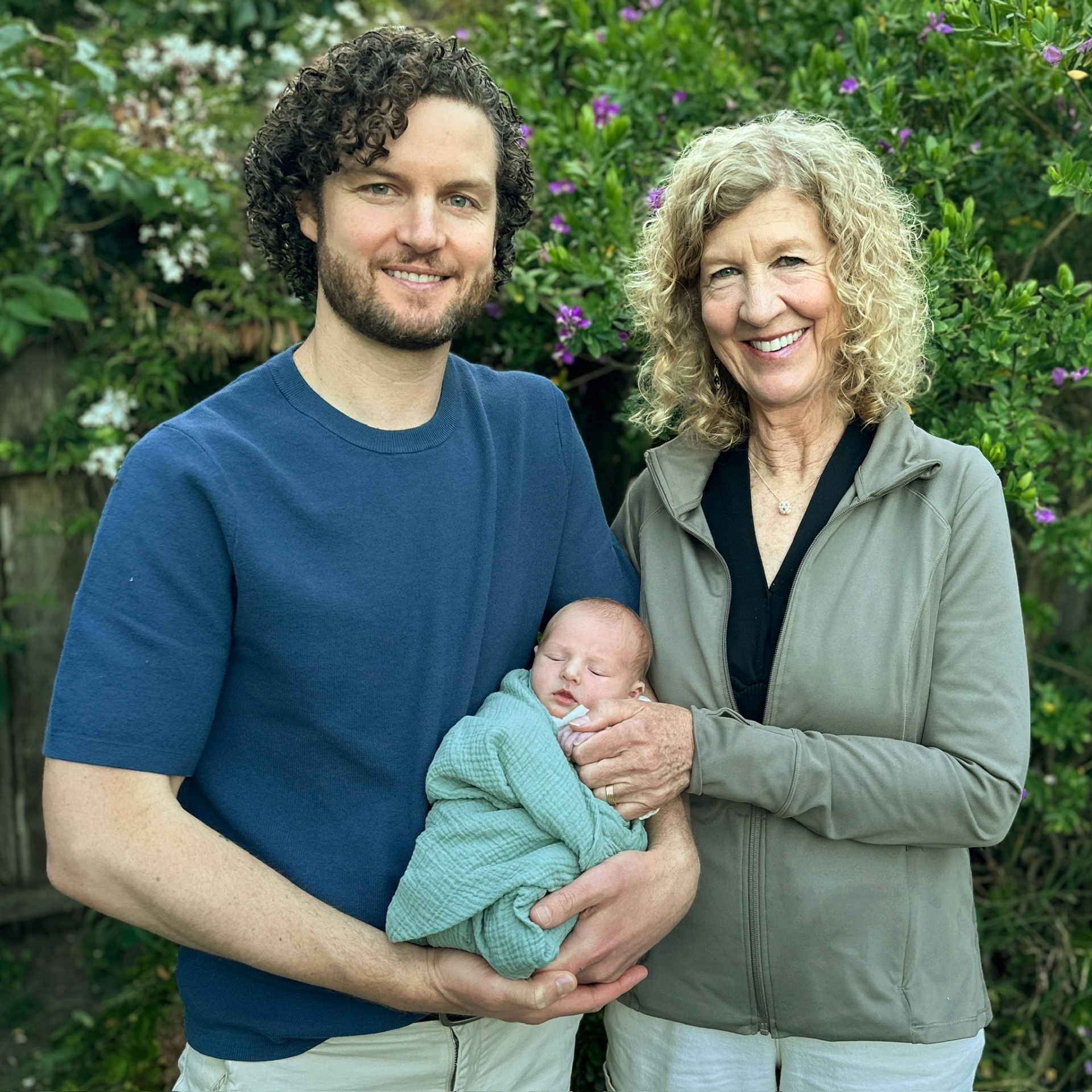
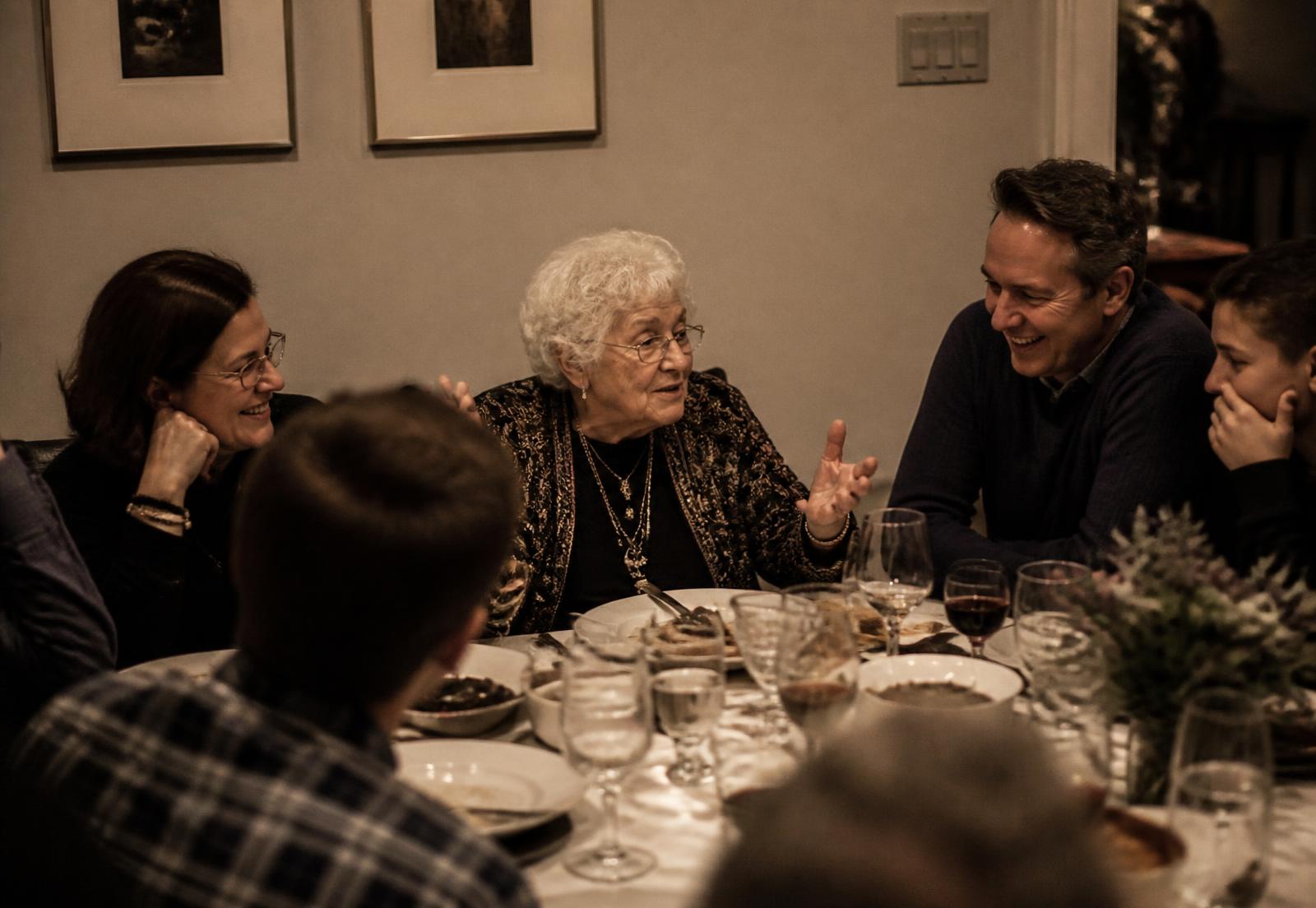
The first family to do this was ours.
We built Recollective because of memories in our own family we nearly lost — the ones that lived in one person's head, and nowhere else. When we started asking our relatives the same questions, the answers didn't match. They added up.
The stories we thought we knew turned out to be several stories, told from different rooms.
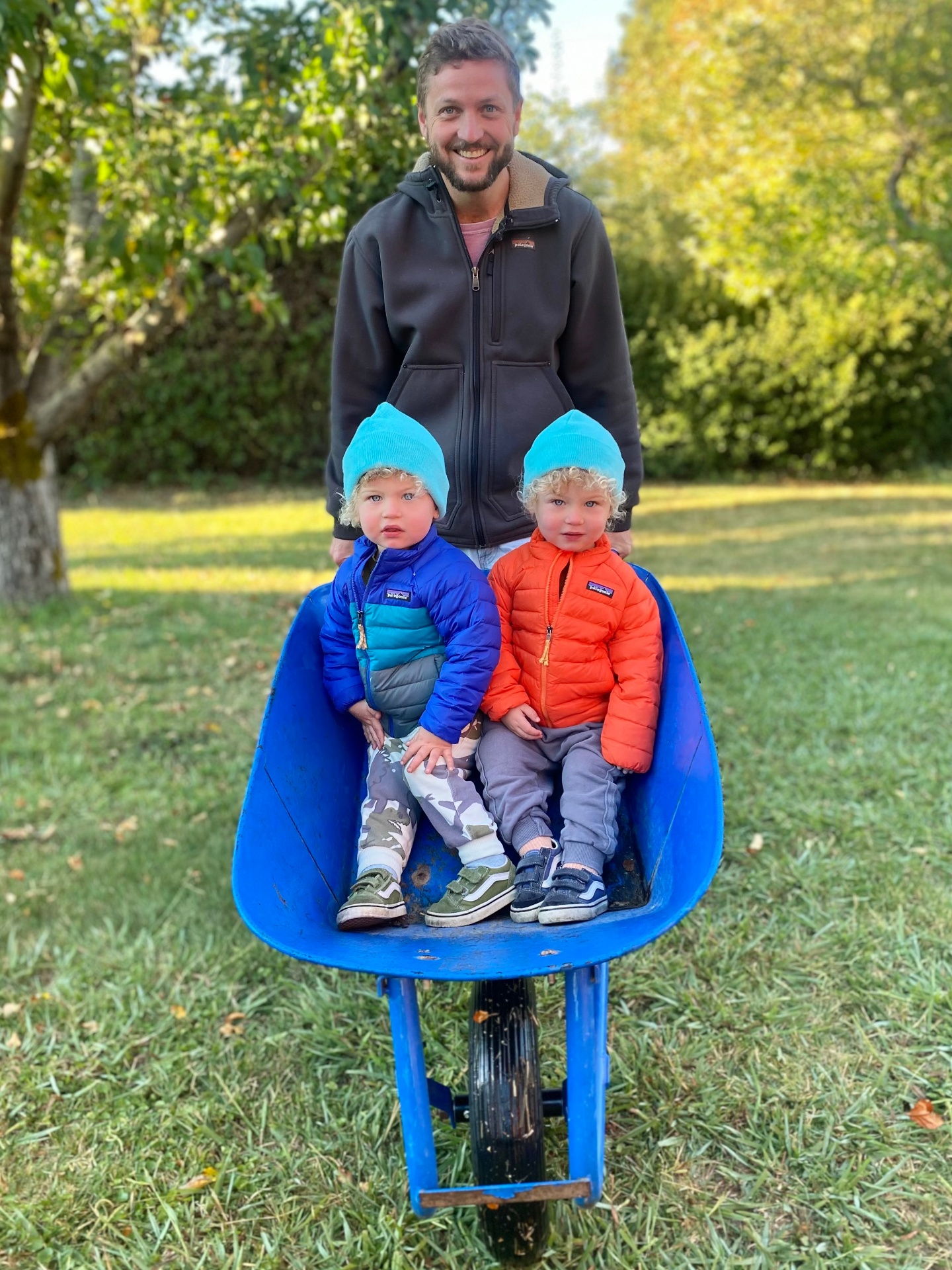
Three brothers, their parents, and the relatives who filled in the rest
These are the kinds of things that surface when people remember together — the ones no single person would have uncovered alone.
Example
Someone keeps appearing.
A name turns up in four different memories, told by four people who never compared notes. Nobody had realised how much of the story ran through them.
Example
Two people remember the same place differently.
The same kitchen, the same summer, two entirely different feelings about it. Both are true, and together they say more than either one.
Example
A photograph unlocks a forgotten story.
Someone posts an old picture without much to say about it. An hour later a cousin explains what was happening that day.
Example
A friend reveals another side.
The person their family knew at home and the person their oldest friend knew at nineteen are recognisably the same, and not the same at all.
Example
A tradition turns out to have an origin.
Something the family has done every year for decades started for a reason only one person still remembers.
No one holds the whole story.
A daughter, a younger brother, a partner, a colleague, a neighbour of forty years — each of them knows a different part of the same life. Recollective is built so all of them can add what only they remember.
Example
A daughter
She remembers the hospital corridor, and how her mother refused the wheelchair.
A younger brother
He remembers the same week entirely differently — from the back seat of a car.
A neighbour of forty years
She remembers the part of him the family never saw, because it happened over a fence.
Someone she worked with
He remembers her being the first one in the building, every morning, for nineteen years.
It starts with one memory.
Nobody has to write a life story. One person adds one thing they remember, and it gives everyone else something to remember against.
Example
1 · One memory
Someone writes down a small thing.
Not the biography. A green thermos by the door, filled the night before.
2 · Another person remembers
It reminds somebody of something else.
A sibling remembers the dent in it, and why nobody was allowed to replace it.
3 · The story deepens
A detail becomes a story.
Between them the family has the walk to work, the early mornings, and the reason for both.
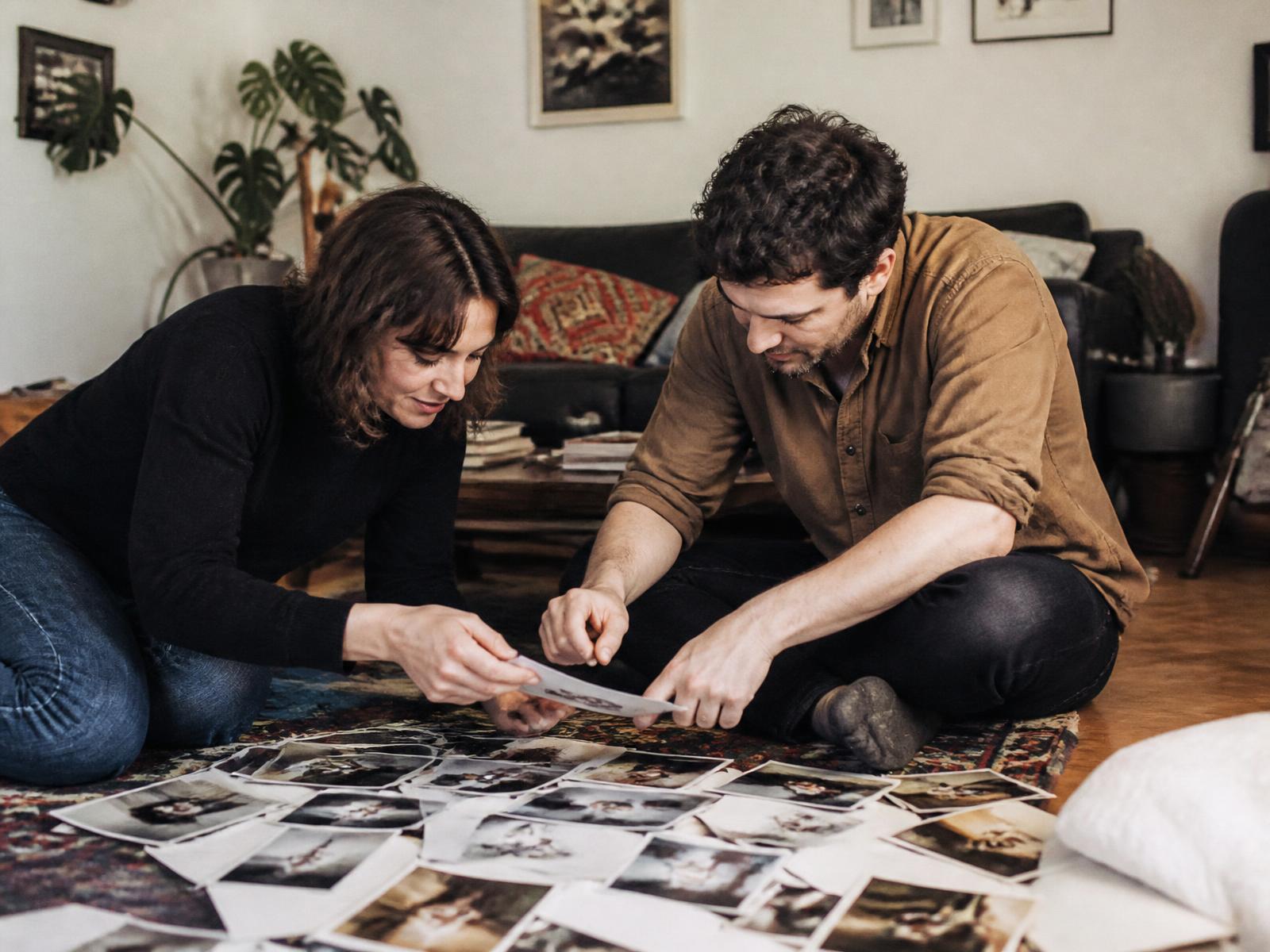
A photograph is rarely just a photograph.
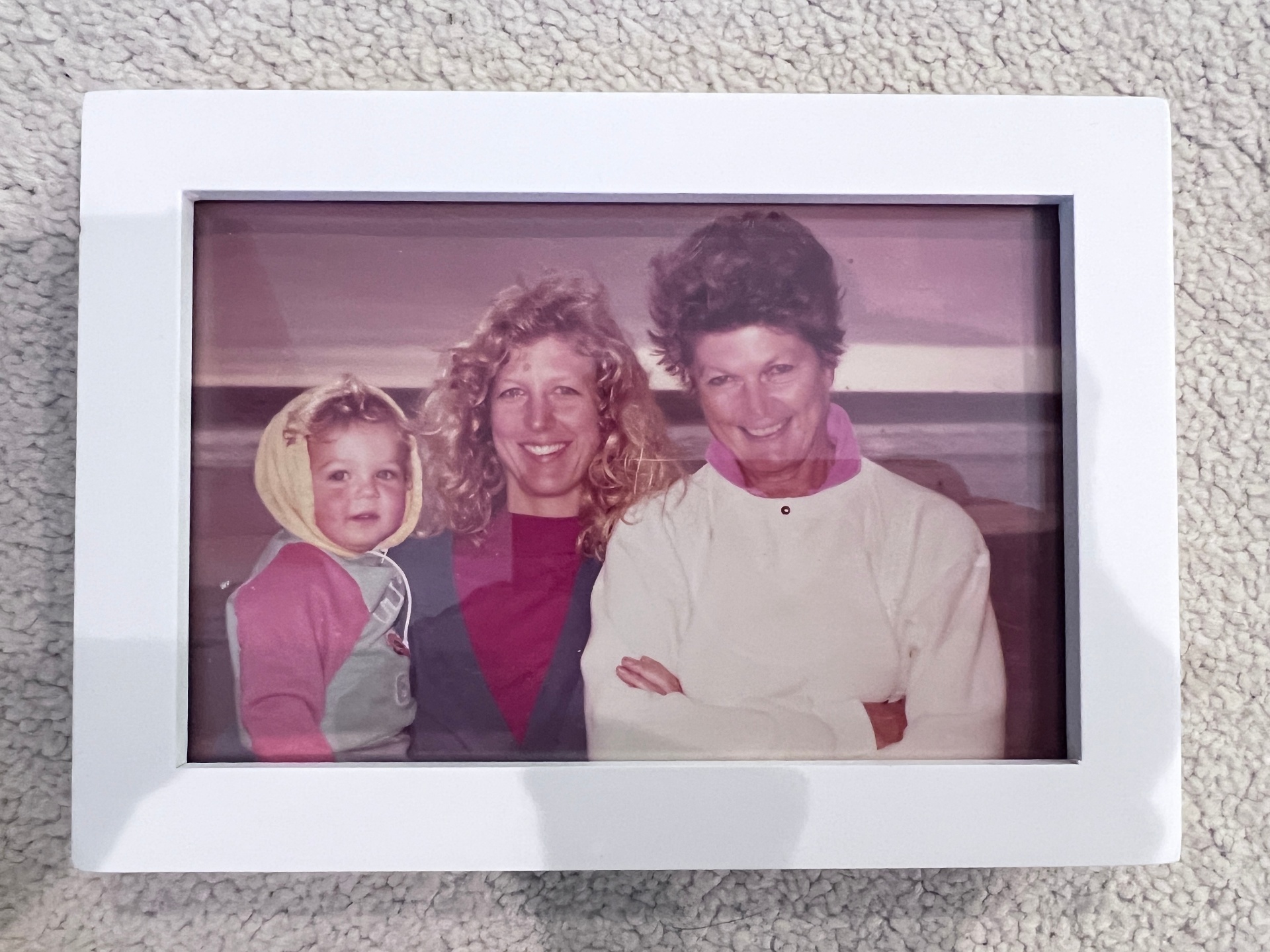
Add an old picture and someone will tell you where it was taken. Someone else will tell you what happened afterwards. The photograph stops being an image and becomes the beginning of a story.
From our own family archive
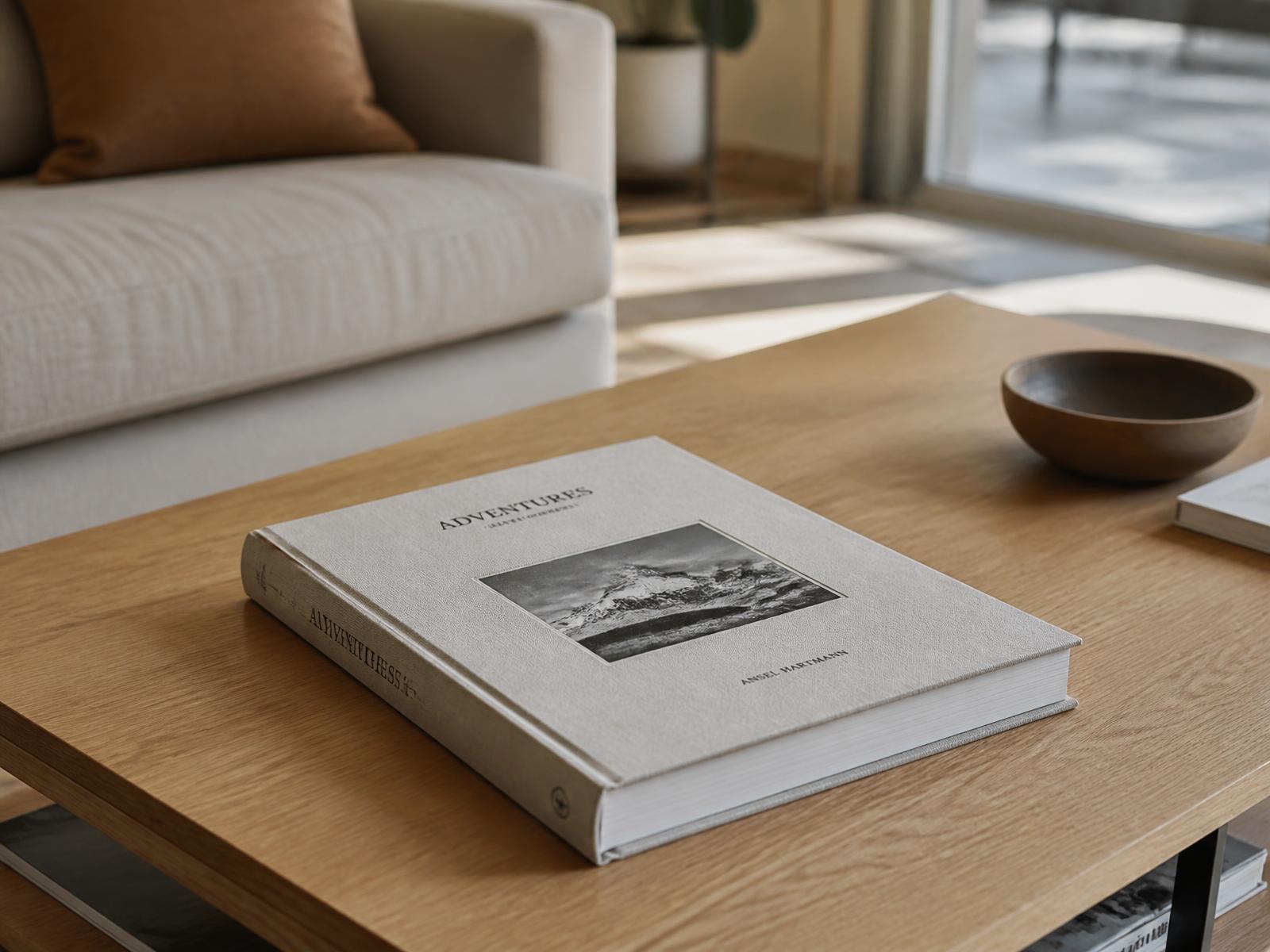
And then it becomes a book.
Everything a family gathers — the memories, the photographs, the voices that disagree — can be written into one finished Book. Gathering is free. The Book is $795.